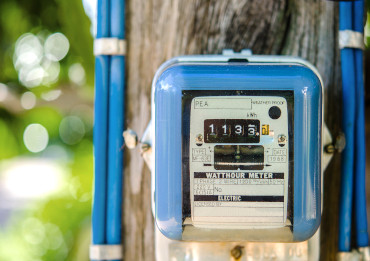
A digital energy meter looks simple from the outside — a display and a few wires. Underneath, it demands accurate metrology, robust firmware, and increasingly a wireless energy meter connectivity layer that reports usage reliably in the field for years without a truck roll to reconfigure it.
Embien approaches smart metering embedded system design as one engineering problem, not a hardware team and a firmware team working in parallel with a handoff gap in between. That includes smart energy monitoring system design for the dashboards and analytics utilities and facility teams actually use, built on the same real-world evidence as our eStorm-B1 energy meter reading case study.
Four disciplines that separate a lab-bench digital energy meter prototype from a smart energy meter a utility can actually deploy at scale.

Metrology-grade sensing and power circuitry engineered for a digital energy meter that holds accuracy over years in the field.

DLMS/COSEM, Modbus, and other metering protocols integrated so a smart energy meter reports data utilities and billing systems can actually use.

RF, cellular, or LoRa connectivity engineered into a wireless energy meter so readings reach the cloud without a manual meter walk.

Cloud integration and analytics layered on top of the meter for smart energy monitoring system design that plant and utility teams can act on.
From metrology hardware to wireless energy meter connectivity, these are the capabilities behind Embien's digital energy meter delivery.

Hardware and firmware design for a digital energy meter, from metrology accuracy through enclosure and certification readiness.

Gateway and protocol-conversion engineering proven on our eStorm-B1 energy meter reading case study, adapted for smart energy meter fleets.

Sub-1GHz and wireless sensor network engineering behind a wireless energy meter deployment that scales past a handful of pilot units.
Tell us your metering accuracy requirements, connectivity plan, and target volume. An engineer will help scope your smart energy meter or wireless energy meter program.

It spans metrology hardware design, firmware, metering protocol integration, and increasingly wireless energy meter connectivity and cloud reporting — smart metering embedded system design end to end, not just the display.
Tell us where your digital energy meter project stands and let us help you plan the next stage.