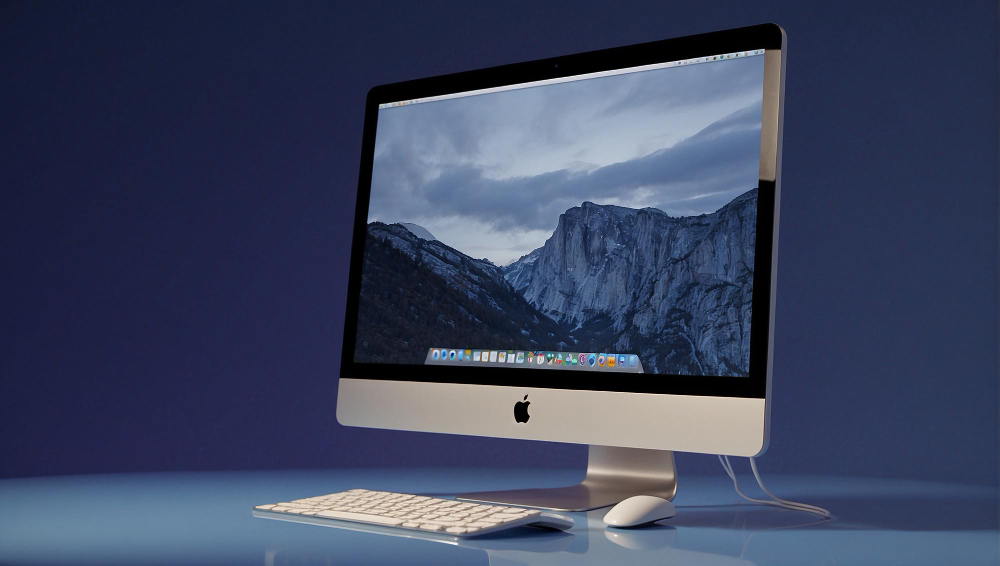
A custom device driver is invisible when it works and catastrophic when it doesn't — the difference between a peripheral that just connects and one that triggers support tickets for a year. Embien's device driver development practice covers the full stack: kernel-mode and user-mode drivers, HAL integration, and the low-level debugging most software teams don't have in-house.
That's true whether the target is macOS driver development for a USB peripheral, windows driver development for an industrial-strength device, or a Linux kernel module for an embedded Linux host. Every custom device driver we ship goes through the same discipline: real hardware bring-up, stability testing, and support through certification and production. Explore our full consumer electronics engineering services, including the Android-based audio watermark extraction device we built driver-level support for.

Four capabilities buyers evaluating a custom device driver partner ask about most, whether the target platform is macOS, Windows, or Linux.

Custom device driver development at the kernel and user-mode level, built around the target OS's driver model rather than a generic template.

macOS driver development for USB, Bluetooth, and custom peripheral interfaces, including system extension packaging.

Windows driver development covering WDF/KMDF drivers, signing, and certification for consumer and industrial peripherals.

Hardware abstraction layer integration so one peripheral design supports Windows, macOS, and Linux without three separate driver teams.
Purpose-built kernel and user-mode drivers instead of adapting a generic reference driver.
Hardware abstraction layer development that keeps driver logic portable across platforms.
Driver and firmware support for connected consumer devices and smart peripherals.
Device driver development experience across wearables, smart home, and consumer peripherals.

What is device driver development, in practice? It's the layer between an operating system and a physical peripheral — and getting it wrong means a device that disconnects randomly or fails a certification test. Here's a real example: our team delivered macOS driver development for a customer's peripheral, and separately built driver-level support for an Android-based audio watermark extraction device — proof that our custom device driver work holds up across macOS, Android, and embedded Linux, not just one platform.
Device driver development is the engineering work that lets an operating system talk to a physical device — kernel-mode or user-mode code that translates OS calls into the commands a peripheral understands, built and tested against the target OS's driver model.
Tell us which platform your peripheral targets. An engineer — not a sales queue — will follow up.