
When engineers design an IP67-rated device, most of the sealing conversation centers on gasket material, groove geometry, and compression ratios. These matter, but they're only half the equation. The locking mechanism is what actually holds the gasket in compression across the product's entire service life. Get the gasket right but choose the wrong lock, and your device will pass the test chamber and fail in the field.
This guide covers six enclosure locking mechanisms suited to compact, product-level housings, the kind found in IoT sensors, medical handhelds, automotive electronics modules, outdoor wearables, and portable instrumentation. If you're working on industrial control panels, cabinets, or large-format enclosures, head to Part 2.
What Is an Enclosure Locking Mechanism?
An enclosure locking mechanism is the mechanical system that joins two housing halves or a cover to a base and maintains the compressive force required to keep a sealing element (O-ring, gasket, or Form-in-Place Gasket (FIPG) bead) fully engaged against both mating surfaces.
Every compact enclosure locking mechanism involves a three-way trade-off: sealing performance, serviceability, and form factor / manufacturing cost.
What Is IP67 and Why Does the Lock Matter as Much as the Seal?
Under the IEC 60529 standard, an IP67 rating certifies that a device is fully dust-tight and can withstand immersion in up to one metre of water for thirty minutes. IP67 compliance is a system property, not a component property. The lock must maintain gasket compression from the moment of assembly through years of real-world use, including every open-and-close service cycle the product will experience.
Key Engineering Criteria for Compact Enclosure Locks
- Gasket compression force required (O-ring vs. foam vs. FIPG)
- Serviceability frequency and cycle life
- Form factor constraints: round vs. rectangular, thin-wall injection-moulded housings
- Manufacturing method and tolerances
- Environmental exposure: vibration, thermal cycling, UV, chemical contact
1. Snap-Fit Housing Lock
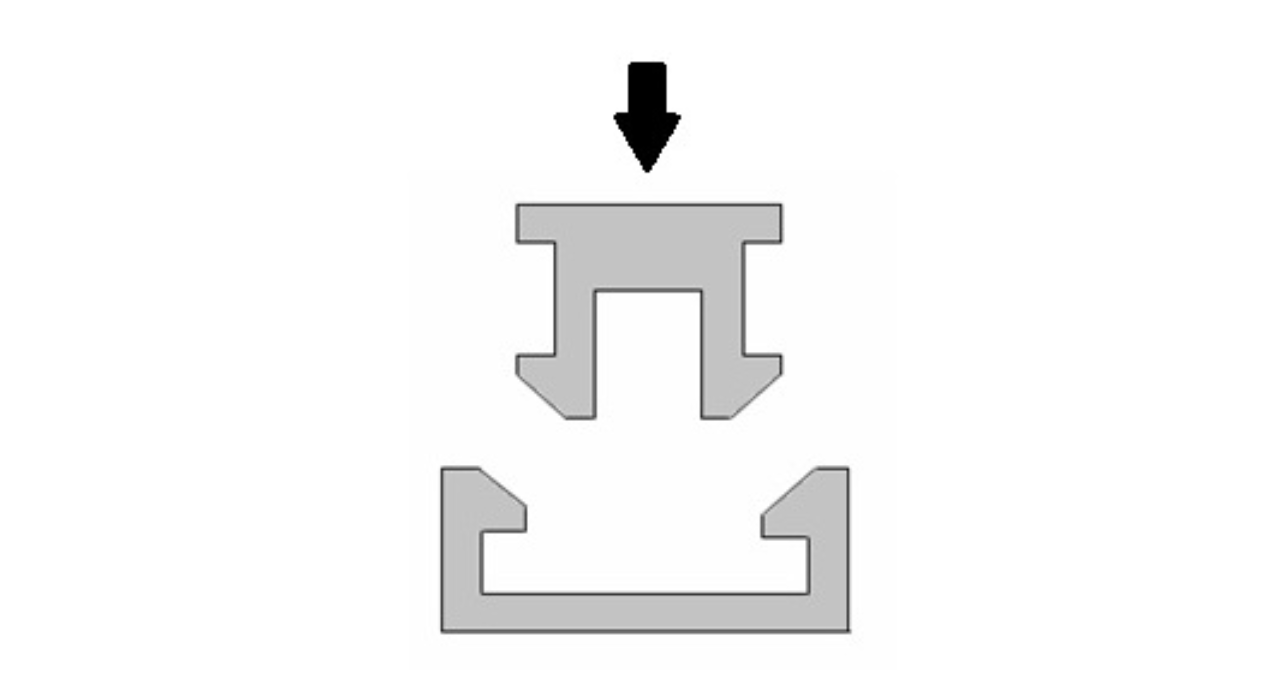
A snap-fit is a one-piece fastening method in which a flexible plastic arm deflects elastically during assembly as it passes over a retaining feature, then springs back to lock the mating part. Snap-fits are the most common fastening method in consumer electronics, requiring no secondary components, no tools, and adding negligible cost.
IP67 Suitability: Limited as a standalone primary housing lock. Snap-fits do not actively compress a gasket with a controlled, sustained force across the full parting-line perimeter. Over repeated cycles, arm fatigue and creep progressively reduce clamping force.
Best Application: PCB tray retention, battery carrier, sub-assembly retention, low IP rated products. As a secondary feature alongside a screw lock or bayonet primary mechanism.
Pros: Zero additional components, fast assembly, clean aesthetics, low tooling cost.
Cons: Cannot reliably sustain IP67 gasket compression, limited cycle life, risk of arm fracture during disassembly, which adds tooling cost.
2. Screw Lock Housing (Mounting Posts with Internal Thread)
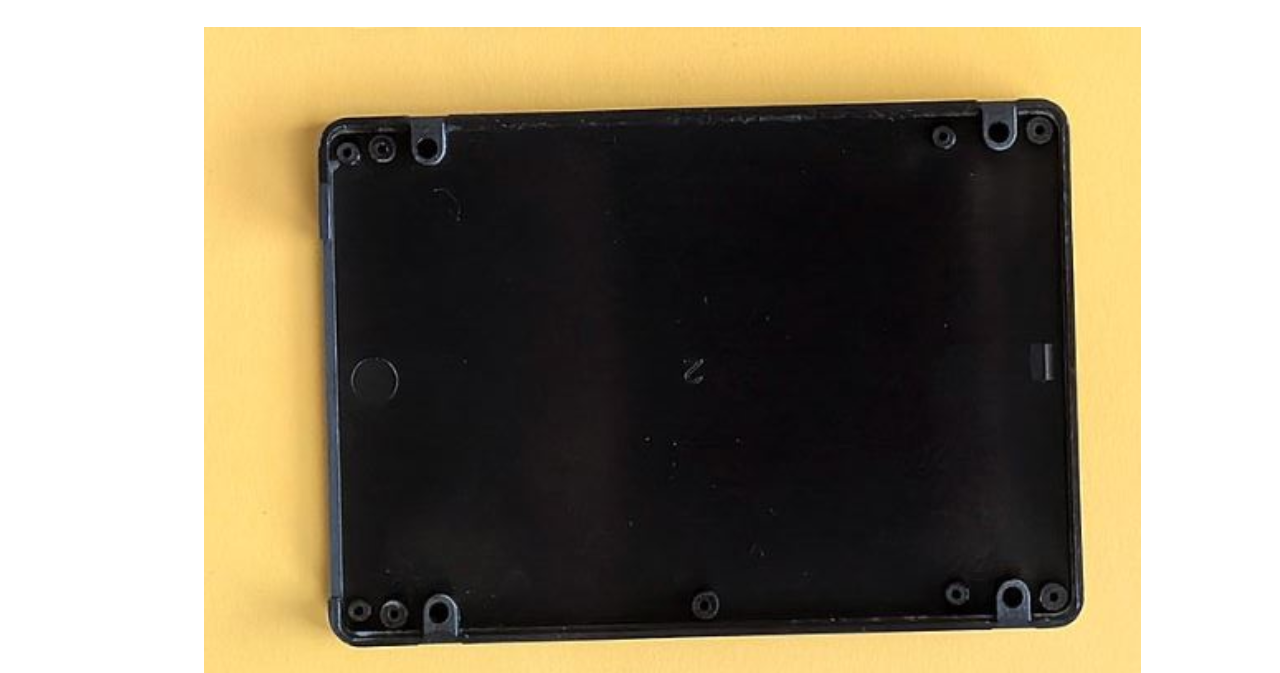
Two housing halves are joined using threaded fasteners into molded bosses distributed around the parting line perimeter. Boss geometry is critical: wall thickness must be sufficient to prevent cracking, and boss spacing must prevent cover flexing between fixings.
IP67 Suitability: High. Screw lock housings are the most straightforward and proven path to reliable IP67 sealing in compact enclosures. The mechanism gives direct control over clamping force through fastener torque specification.
Best Application: IoT gateways, medical devices, outdoor electronics, any compact IP67 device where the enclosure will be opened for servicing and tool access is acceptable.
Pros: Highly reliable IP67 sealing; controlled clamping force; long cycle life with brass inserts.
Cons: Requires tools; visible screw heads; requires sealing; additional BOM components; slower assembly than snap-fits.
3. Twist-to-Lock Bezel (Housing Lock)
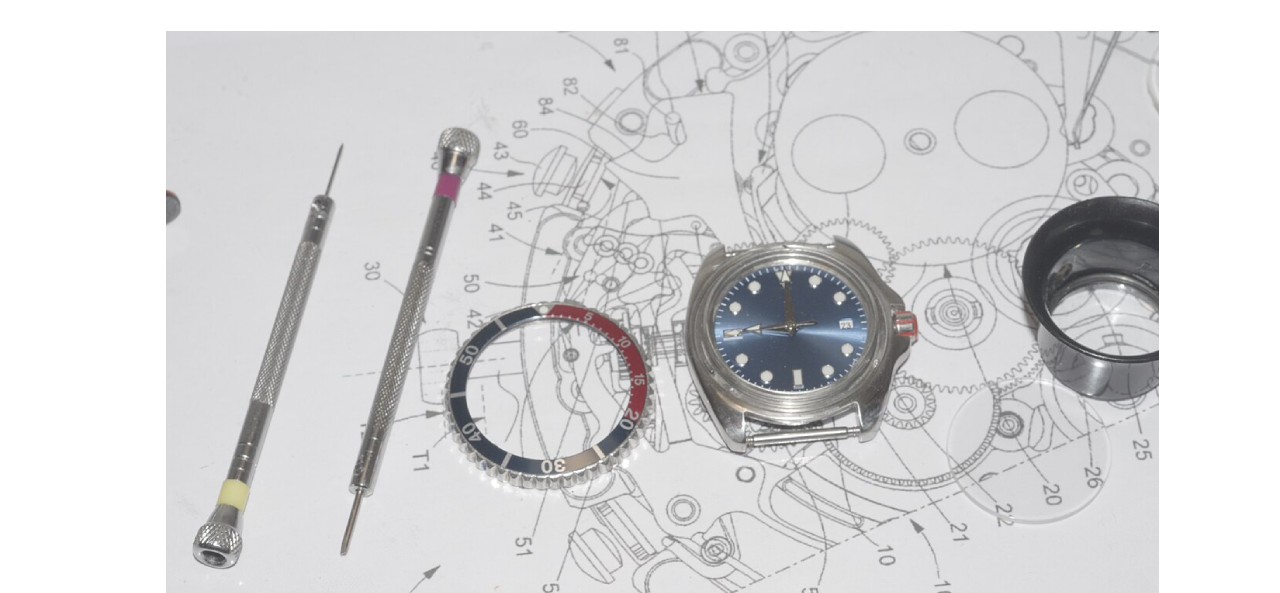
A circular outer bezel rotates relative to the housing base, engaging lugs or ramps distributed evenly around the circumference. As the bezel rotates, the lugs draw the cover axially towards the base, compressing an O-ring uniformly. A detent or anti-back-off feature holds the bezel at the locked position.
IP67 Suitability: High, particularly for cylindrical and oval enclosures. Uniform circumferential compression is one of the key advantages over single- or multi-point screw locking on circular housings.
Best Application: Round or oval enclosures, environmental sensors, outdoor IoT modules, round-format wearable electronics.
Pros: Uniform circumferential gasket compression; tool-free; clean aesthetics; naturally compatible with O-ring groove geometry; long cycle life.
Cons: Primarily suited to circular/cylindrical profiles; requires precise lug tolerances; alignment indicators needed; sometime drifts the sealing away.
4. Bayonet Lock (Quarter-Turn Lock)
The bayonet lock uses pins or lugs that slide into L-shaped slots and lock with a short rotational movement. The user aligns pins with the open entry of the L-slots, pushes axially, then rotates approximately 90 degrees to lock.
IP67 Suitability: High for cylindrical enclosures when combined with a face-seal O-ring. The axial push-then-rotate action compresses the O-ring as the cover seats. Proven in military-grade and industrial IP67 cylindrical housings.
Best Application: Cylindrical enclosures requiring rapid field access by non-specialist users, portable gas detectors, handheld instruments, cable joints, field-replaceable sensor heads.
Pros: Quick engagement; intuitive quarter-turn operation; reliable alignment; tool-free.
Cons: Requires precise slot geometry; pin/slot wear over high cycles; requires rotational clearance zone; impractical for rectangular designs.
5. Flush Button Combined with Wedge Lock
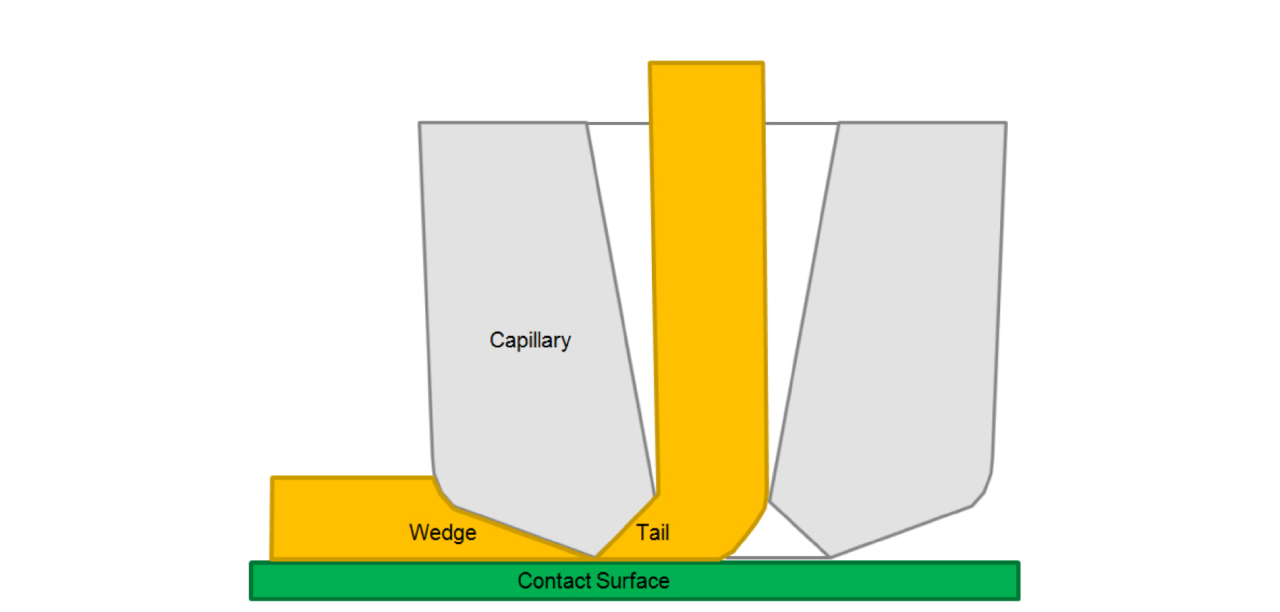
A hybrid mechanism pairing a wedge-based retention system with a flush-mounted push-button release. The wedge lock engages passively when the module is pushed into place, and the flush button provides the intentional release path.
IP67 Suitability: Moderate. The wedge lock can generate sufficient clamping force for IP67 when geometry is tightly controlled. The engineering challenge is sealing the button cutout, a silicone membrane or moulded boot over the flush button is the standard solution.
Best Application: Devices designed for modular, tool-free user serviceability, electronics modules removed for charging, calibration, or replacement.
Pros: Tool-free quick release; strong wedge retention; suitable for modular design; flush button improves aesthetics.
Cons: Button cutout requires supplementary sealing; tight manufacturing tolerances; higher mechanical complexity.
6. Push-Push (Push-to-Lock / Push-to-Release) Mechanism
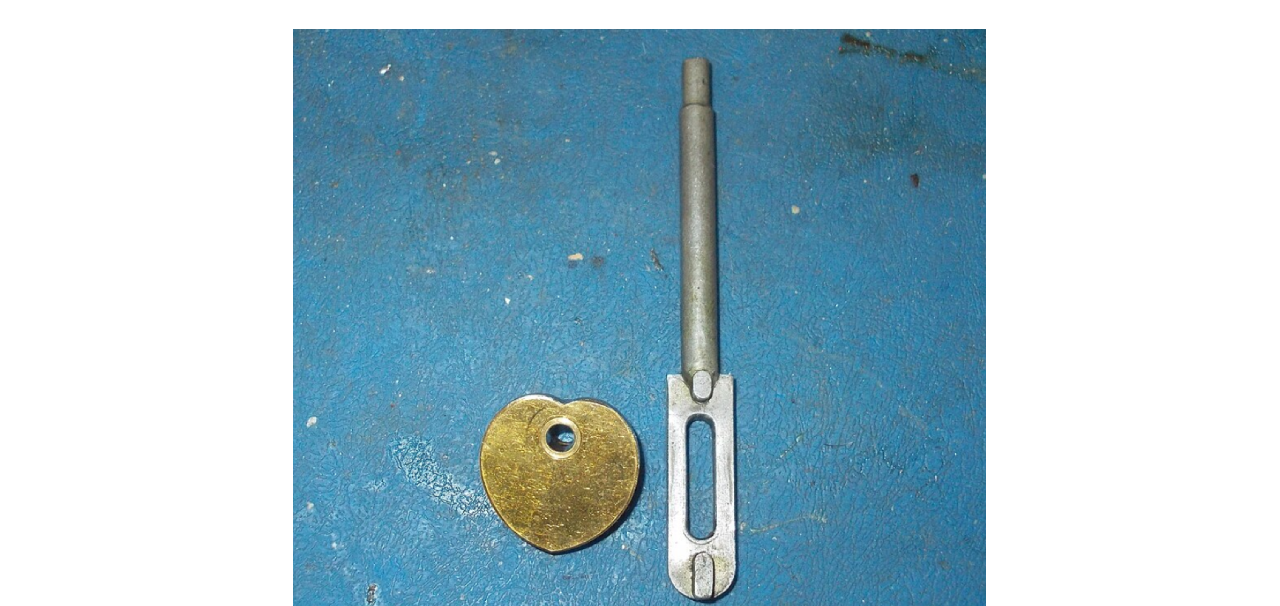
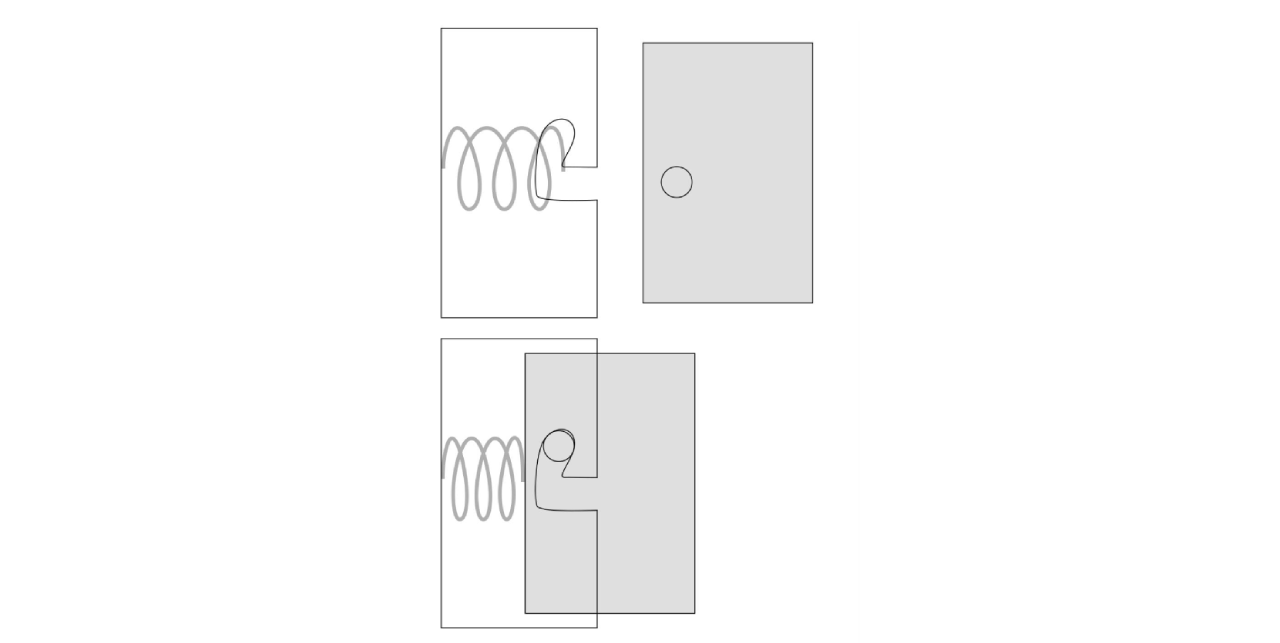
A push-push mechanism uses an internal heart-shaped cam groove moulded into the moving cover. A fixed pin inside the base housing rides in this groove. The first push locks; a second push releases. The entire mechanism operates through the external surface, no buttons, levers, or knobs protrude.
IP67 Suitability: Low to moderate as a primary housing lock. The heart-cam mechanism holds the cover in position but does not actively compress a gasket. Accidental actuation risk in active-use environments is a significant practical concern.
Best Application: Secondary and tertiary covers charging port caps, battery compartment covers, SIM or SD card access panels.
Pros: Fully flush exterior; simple one-finger operation; low component count; clean consumer-grade aesthetic.
Cons: Low clamping force; accidental actuation risk; robotic sealing during manufacturing; heart-cam groove requires high manufacturing precision; limited cycle life.
Side-by-Side Comparison: 6 Compact Enclosure Locking Mechanisms
| Mechanism | IP67 Suitability | Tool-Free | Active Gasket Compression | Cycle Life | Best Application |
|---|---|---|---|---|---|
| Snap-Fit | Low | ✅ | None | Low | Sub-assembly / PCB retention |
| Screw Lock | High | ❌ | High | High | IoT gateways, medical devices, junction boxes |
| Twist-to-Lock Bezel | High | ✅ | High (uniform) | High | Cylindrical sensors, round IoT housings |
| Bayonet Lock | High | ✅ | Moderate | Medium | Cylindrical, field-access devices |
| Wedge + Flush Button | Moderate | ✅ | Moderate | Medium | Modular, hot-swap electronics |
| Push-Push | Low–Moderate | ✅ | Low | Medium | Port covers, battery caps |
How to Choose the Right Compact Enclosure Lock
- IP67 mandatory + cylindrical enclosure → Twist-to-Lock Bezel or Bayonet Lock
- IP67 mandatory + rectangular enclosure → Screw Lock with parting-line O-ring
- Tool-free user serviceability required → Twist-to-Lock, Bayonet, or Wedge + Flush Button
- Flush aesthetic is a priority → Push-Push for secondary covers only
- Budget and BOM simplicity → Snap-Fit for sub-assemblies + Screw Lock for primary housing
What's Next
The six mechanisms covered here are optimised for compact, product-level enclosures. Part 2 covers cam latches, slam latches, compression toggle latches, swing handle latches, and multi-point latch systems, the mechanisms that keep large IP67 industrial enclosures sealed reliably.
Frequently Asked Questions
For cylindrical housings, a twist-to-lock bezel or bayonet lock offers the best balance of IP67 sealing and tool-free access. For rectangular housings, a screw lock with a parting-line O-ring is the most reliable choice. Snap-fits should never be used as the sole primary lock for IP67 compliance.