
As technology continues to shape the automotive industry, one component that plays a crucial role in modern vehicles is the Electronic Control Unit (ECU). These small but powerful electronic control units act as the brains behind various systems in a vehicle, ensuring optimal performance and efficiency. In this article, we will dive deep into the major ECUs in vehicle systems — exploring the major ECUs in car as well as the role of ECUs in electric vehicles.
Electronic control units are essentially mini computers that monitor, control, and manage different aspects of a vehicle's functionality. They receive data from various sensors placed throughout the vehicle and use this information to make real-time decisions. By analyzing the data and executing appropriate commands, electronic control units ensure that all systems work in harmony, providing the driver with a seamless driving experience. Understanding the major ECUs in vehicle architecture is foundational for anyone working in automotive embedded systems development.
Some of the major ECUs in vehicle systems are listed below. These represent the core electronic control units found across most passenger cars today.
While the major ECUs in car listed above apply broadly to internal combustion and hybrid vehicles, electric vehicles introduce additional and distinct electronic control units. With the rise of EVs, the role of electronic control units has expanded to cater to the unique requirements of these vehicles. Here are some key ECUs in electric vehicles:
ECUs in electric vehicles must address unique safety and real-time performance requirements not found in traditional ICE platforms. Thermal management, bidirectional charging control, and high-voltage isolation monitoring are all handled by specialized electronic control units that have no ICE equivalent.
Electronic control units are not limited to four-wheeled vehicles. Though limited in numbers and processing requirements, they also play a crucial role in two-wheelers, enhancing their performance, safety, and efficiency. In motorcycles, ECUs manage fuel injection, ignition timing, and other parameters to optimize engine performance and fuel economy. They also control advanced features like traction control and anti-lock braking systems, further enhancing rider safety.
Automotive ECU Engineering covers the full spectrum from hardware bring-up and BSP development to application software, diagnostics, and functional safety compliance. Whether targeting the major ECUs in car or EV-specific control units, a structured engineering process aligned with ISO 26262 and ASPICE is essential for production programs.
Understanding the major ECUs in vehicle systems is essential for anyone involved in automotive development. These electronic control units — from engine and transmission management to brakes, suspension, and climate control — play a vital role in every aspect of a vehicle's functionality. With the advent of electric vehicles, their role has expanded further, managing advanced powertrain systems and battery performance. Whether it's a car, motorcycle, or electric vehicle, electronic control units are the silent guardians that keep us moving forward.
Embien, with rich experience in working with many of these major ECUs in vehicle programs, can be a trusted partner for ECU development for both OEMs and Tier 1s. Learn more about our automotive engineering services or explore how our digital transformation services accelerate ECU development timelines.

Embien's cross-domain embedded expertise spans the major ECUs in vehicle systems — from powertrain and chassis to body electronics and EV control units.
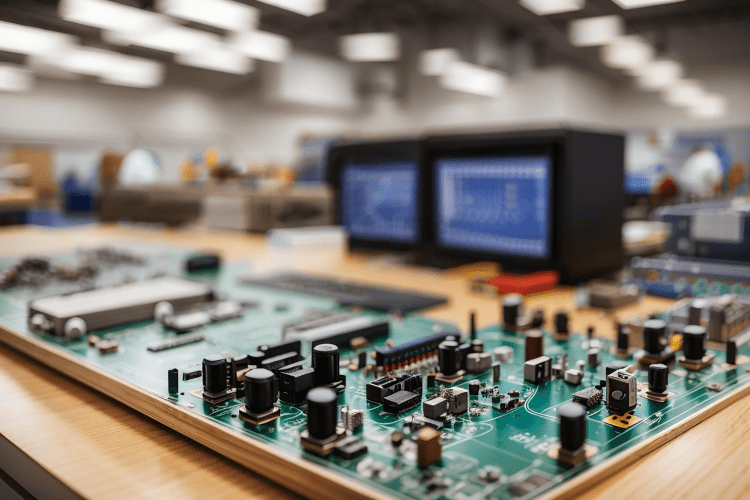
From concept to production, Embien's turnkey development services cover all major electronic control units in car and electric vehicle platforms.

A case study showcasing Embien's embedded sensing and control expertise — skills directly applicable to precision ECU development for vehicle systems.